
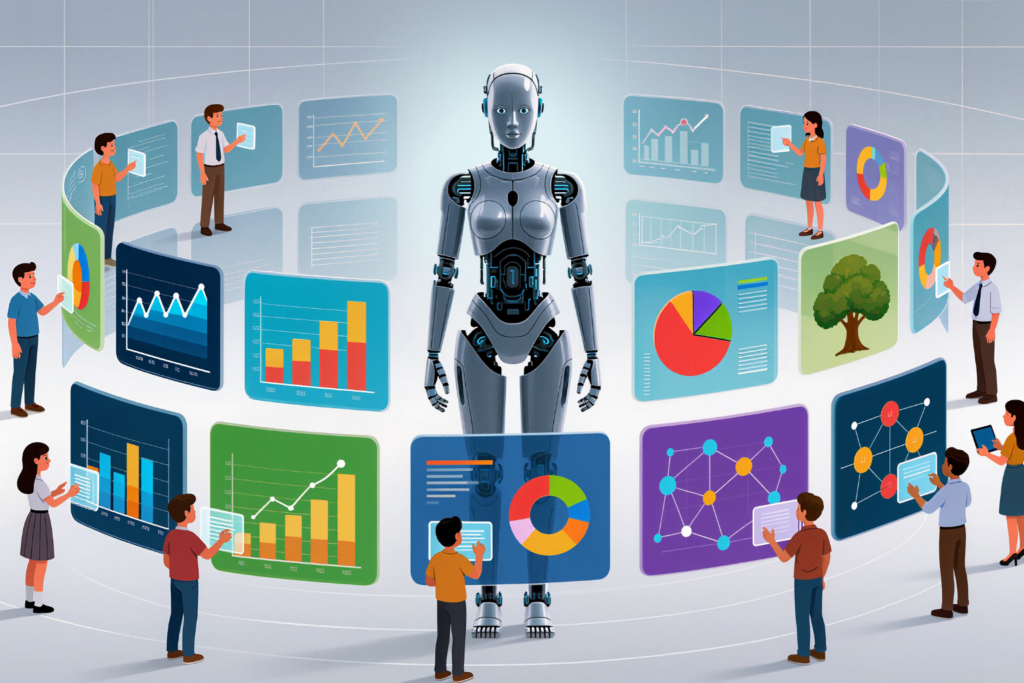
One strategic question continues to dominate discussions among growth leaders in 2026: Should businesses rely on AI-generated personas or real customer data to achieve higher conversions? Both approaches offer unique advantages, but their impact on performance, accuracy, and return on investment varies significantly.
This guide breaks down the strengths, limitations, and best-use scenarios of each approach, helping decision-makers choose the right model for building conversion-focused marketing strategies.
Why Buyer Personas Matter for Conversions

Buyer personas are the foundation of effective marketing. When built correctly, they allow businesses to:
- Understand real customer motivations and needs
- Deliver personalized and relevant messaging
- Optimize product development and positioning
- Increase conversion rates across digital channels
However, not all personas are created equal. The quality of insights depends heavily on whether personas are generated from synthetic AI models or from real behavioral data.
Understanding AI-Generated Personas
AI-generated personas are built using machine learning and large language models trained on massive amounts of public and aggregated data. These systems analyze general behavioral patterns to create hypothetical customer profiles that include:
- Demographic attributes
- Interests and preferences
- Motivations and challenges
- Buying behaviors
These personas are fast, scalable, and easy to generate, making them attractive for businesses in early planning phases or with limited customer data.
Advantages of AI Personas
- Rapid persona creation for brainstorming and ideation
- Useful for new markets where first-party data is not yet available
- Cost-effective for early-stage companies
Limitations of AI Personas
- Lack real behavioral grounding
- May contain inaccurate assumptions or hallucinated traits
- Do not adapt automatically as customer behavior changes
AI personas provide a strong conceptual starting point, but relying on them alone for high-stakes conversion strategies can introduce risk.
The Power of Real Customer Data
Real customer data comes directly from business interactions and owned data sources such as:
- CRM platforms
- Website analytics
- Transaction records
- Customer support interactions
- Email and campaign engagement
This data represents actual customer behavior, making it the most reliable foundation for building conversion-optimized personas.
When structured effectively, real data reveals not only what customers do, but why they do it — unlocking deeper emotional, psychological, and motivational insights.
Customer Digital Twins: The Next Evolution
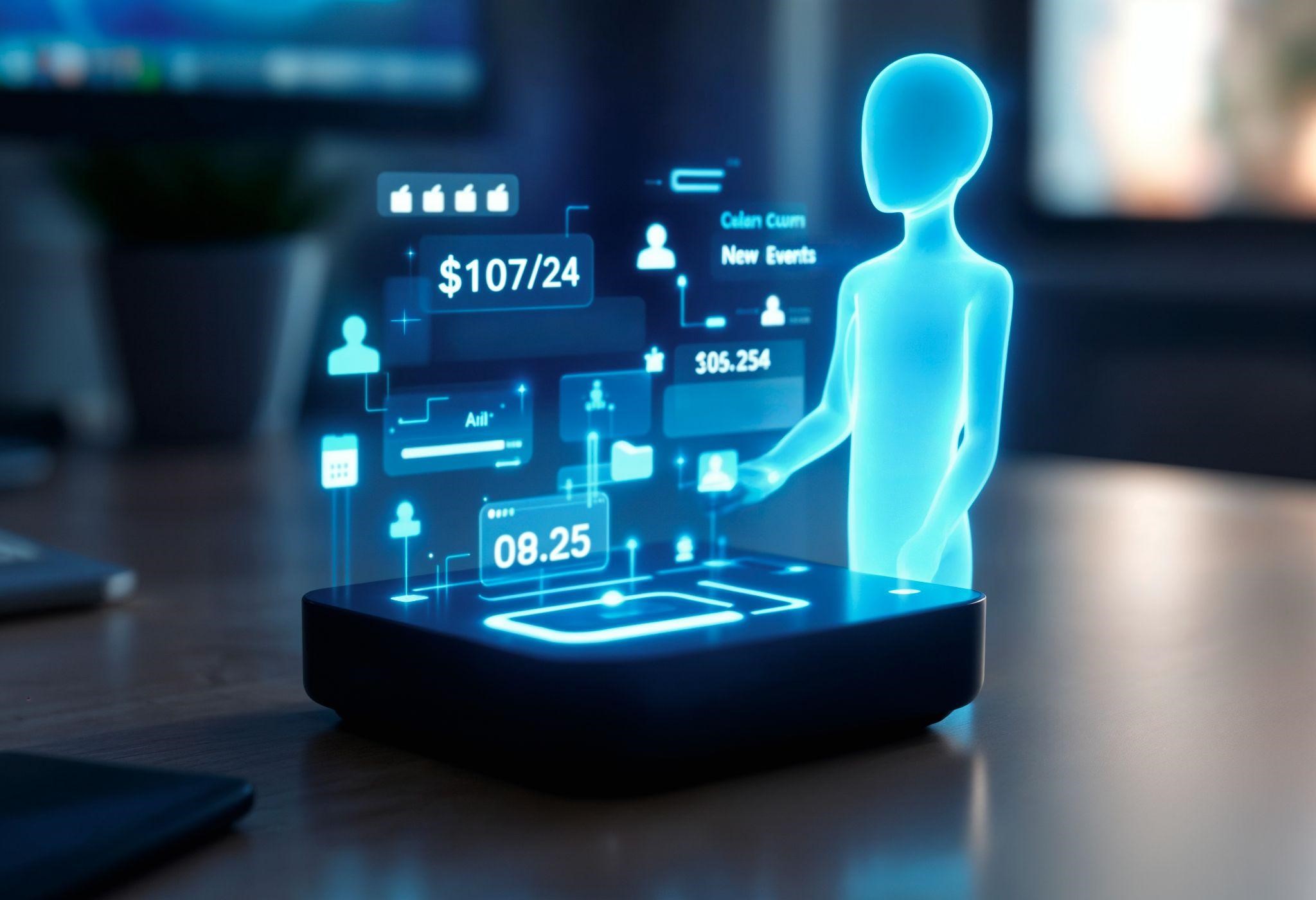
Customer digital twins represent the most advanced form of persona modeling. Unlike static personas, a digital twin is a dynamic, continuously updated virtual representation of a real customer based on ongoing interactions and behavioral signals.
Key capabilities of customer digital twins include:
- Real-time behavioral updates
- Predictive modeling of future actions
- Scenario simulation for campaign testing
- High-precision audience segmentation
Where AI personas generalize, digital twins personalize. This distinction makes digital twins particularly valuable for conversion optimization and strategic forecasting.
AI Personas vs Real Data Personas: Conversion Impact Comparison
Feature | AI-Generated Personas | Real Data Personas / Digital Twins |
Accuracy | Moderate | High |
Behavioral Depth | Limited | Deep |
Predictive Capability | Low | High |
Adaptability | Static | Dynamic |
Conversion Influence | Indirect | Strong |
Real data personas consistently outperform AI personas when the goal is measurable business growth and long-term conversion improvement.
When to Use Each Approach
Best Uses for AI Personas
- Early-stage market research
- Creative ideation and messaging exploration
- Rapid segmentation in data-scarce environments
Best Uses for Real Data and Digital Twins
- Conversion rate optimization
- Customer journey mapping
- High-budget marketing campaigns
- Product development and pricing strategies
The most effective strategy blends both: use AI personas to generate ideas, then validate and refine them with real customer data.
How to Improve Conversions with Persona Intelligence
To maximize results:
- Validate AI assumptions using CRM and behavioral data
- Segment customers by behavior, not just demographics
- Refresh personas regularly as markets and behaviors evolve
- Integrate qualitative insights from surveys, interviews, and support interactions
This approach ensures personas remain accurate, actionable, and aligned with real customer needs.